Case study · Telecommunications
Change Request Flow Optimization
Redesigning an Operations Support System to improve adoption and efficiency — making change requests easier to manage and transitions easier for teams to navigate.
- Sector
- Telecommunications
- Duration
- 4 months
- My role
- Lead UX
The work also involved a multi-vendor environment and multinational teams with diverse cultural backgrounds, working both onshore and offshore.

01
Problem definition
A complex user journey, outdated interface and ineffective change management were limiting adoption of the Operations Support System.
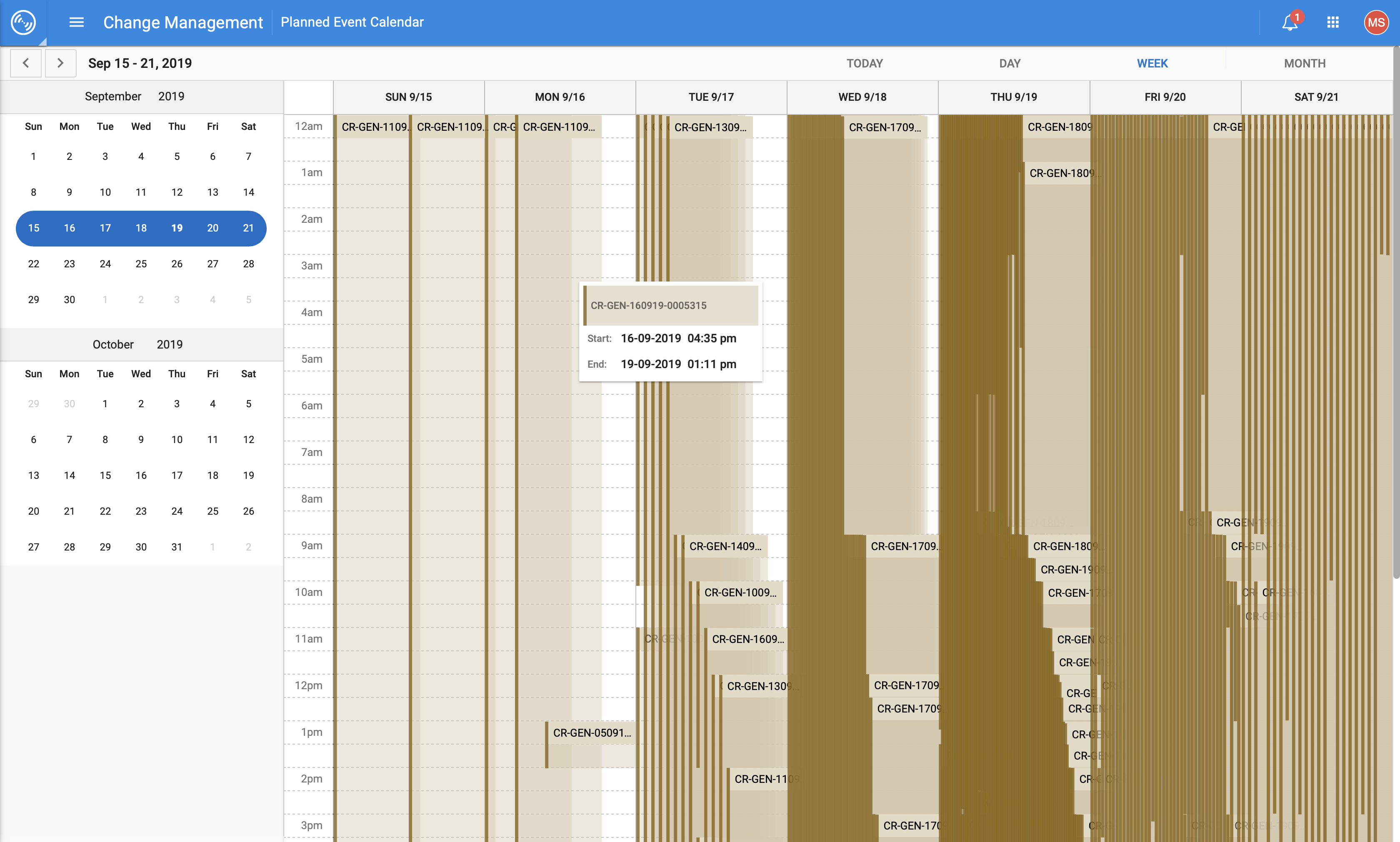
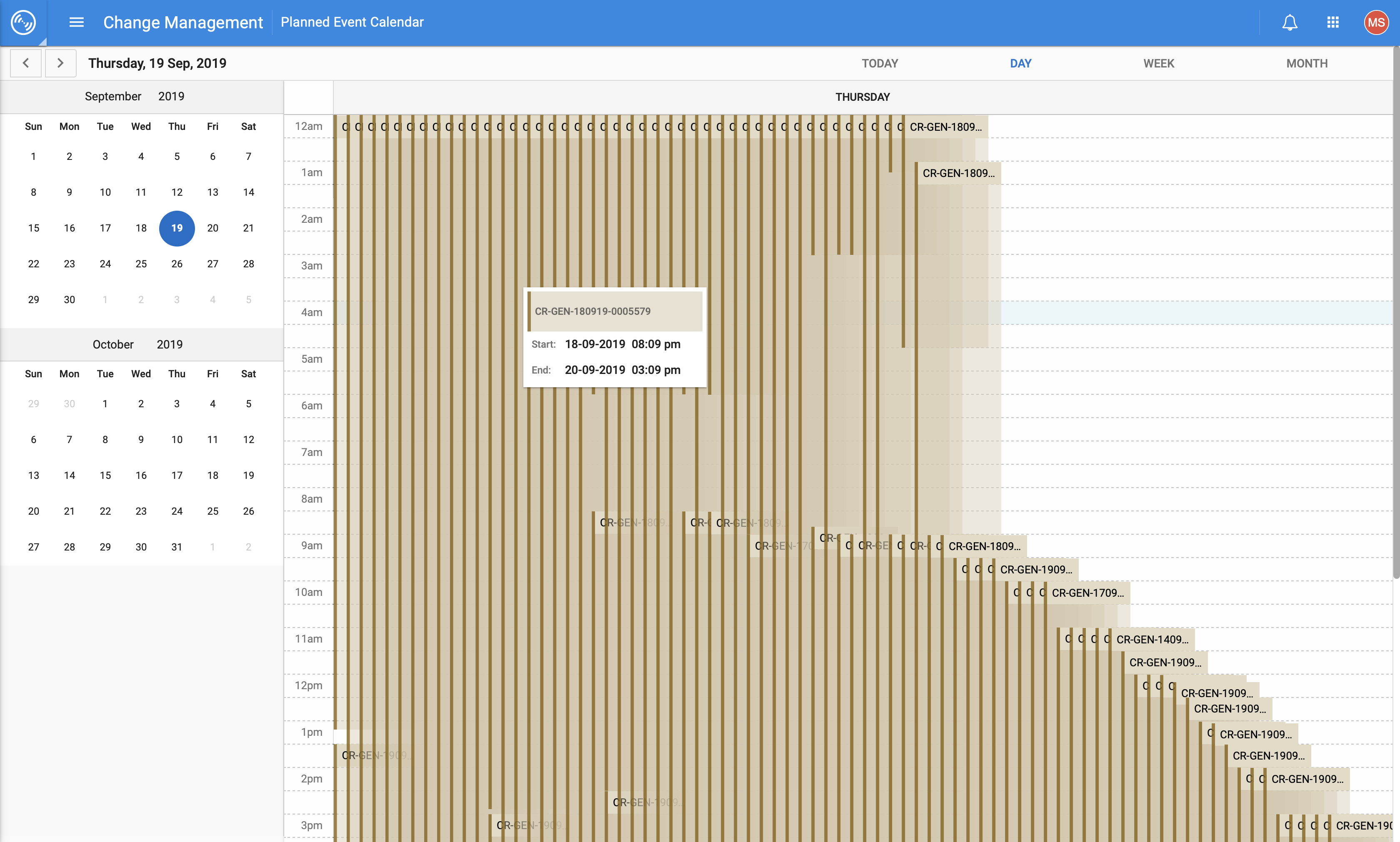
Change Requests (CRs) appeared in the same colour, stacked in day and week views. Adjacent requests were hard to distinguish and interact with, while multi-day and all-day events blocked the calendar. The work focused on a clearer CR calendar and a mobile app for more accessible change-request management.
02
Discovery
- Client workshops to define the target audience, align on business goals and establish success metrics.
- In-depth user interviews to uncover pain points, needs and opportunities for improvement.
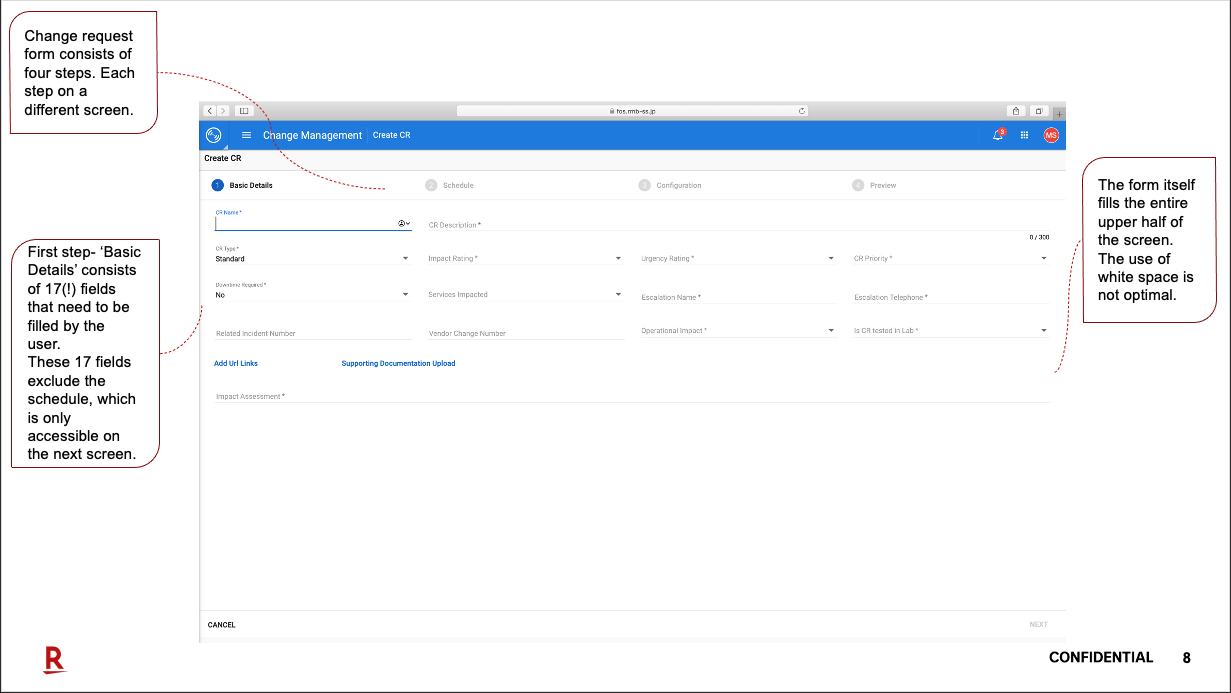
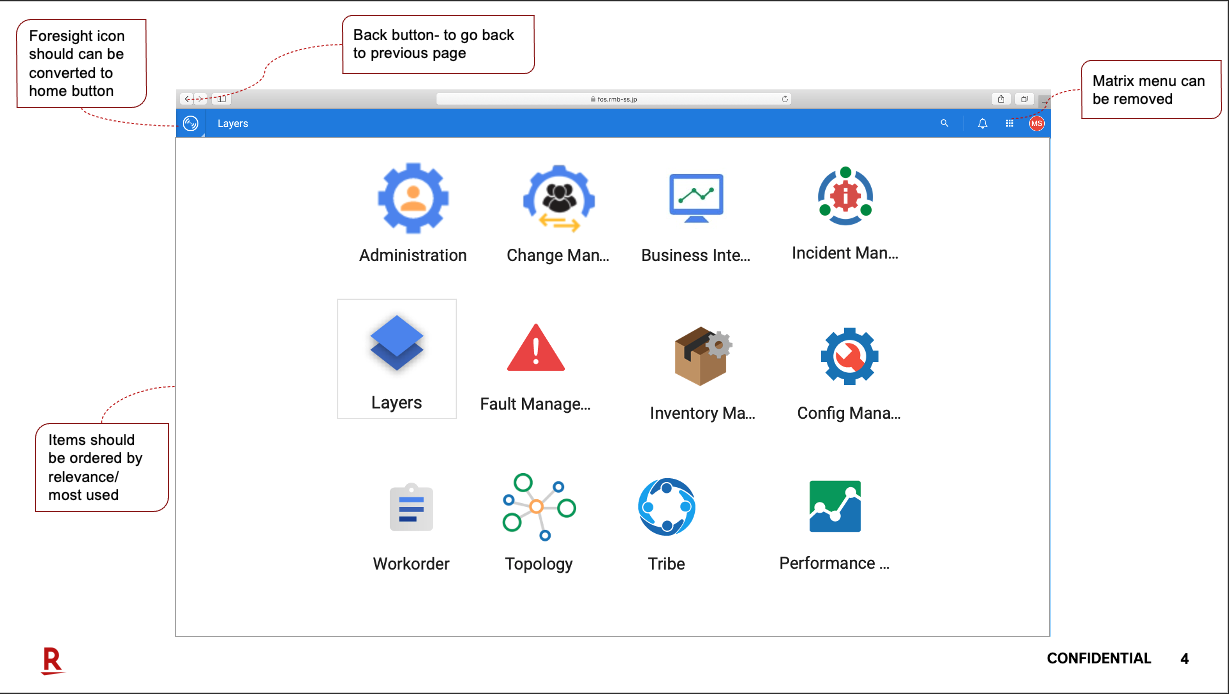
- Analysis of user journeys, functionality and layouts to identify barriers that cost the client time, money and resources.
- A comprehensive UX analysis of the existing system, alongside competitive analysis to identify relevant best practices.
- Reframing the core challenge around the research findings.
03
Ideation
- Defined user journeys around users’ needs, motivations and limitations.
- Drafted layouts and information architecture for each journey and task, creating a clear, logical flow of information.
- Collaborated with an in-house Visual Designer to explore and refine the brand and visual design.
04
Design
- Developed wireframes to establish the tool’s structure and functionality.
- Validated wireframes and concepts with stakeholders, then refined them based on feedback.
- Created a high-fidelity clickable prototype to define and test navigation, interactions and component behaviour.
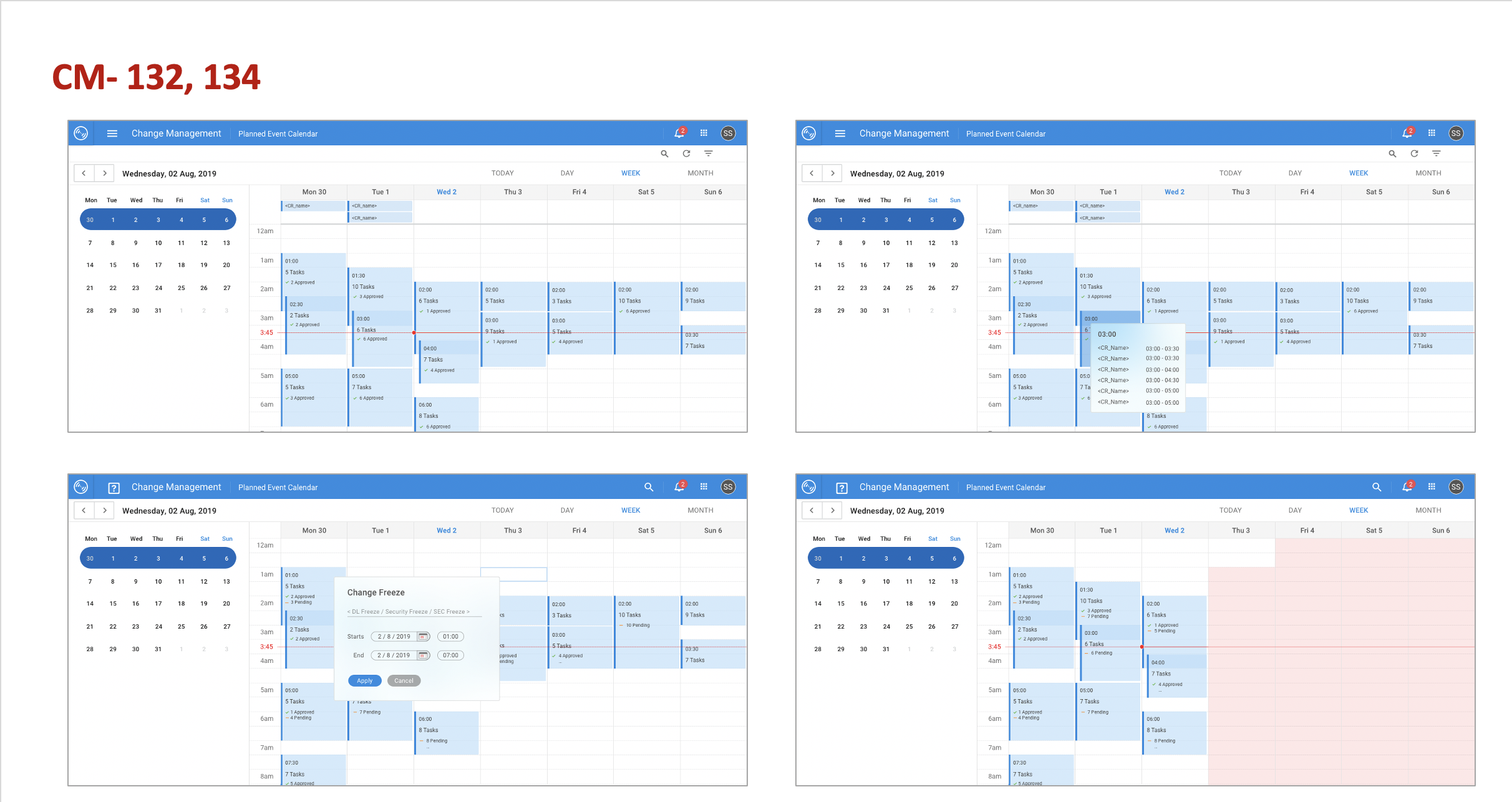
Separate all-day and multi-day events
Full-day and multi-day events were given a distinct display. Multi-day events sit in a horizontal area at the top, rather than obscuring the timed events below — reducing clutter and keeping the calendar readable.
Make the current time visible
A red line marks the current time, giving users a real-time reference within the calendar.
Keep event details in context
Hovering over an event reveals key details in a popup. Users can review information without clicking through and repeatedly switching screens.
Make change restrictions explicit
Domain leads can create blackout periods using Change Freeze. These periods appear in red on the Change Management calendar, clearly indicating when changes are restricted.
05
Delivery
- Documented design decisions for a smooth handoff to development.
- Maintained design quality throughout offshore implementation.
- Measured the success metrics defined during discovery and conducted usability testing to validate the design.
- Refined the design and provided recommendations based on user feedback.
06
Outcome
17% improvement in user adoption and efficiency within the first month post-launch.
- Small, rapid releases helped users adjust to changes while retaining familiarity with the tool.
- Prioritising quick wins made progress manageable within a large-scale project with many required changes.
- Transparent communication and trust supported a successful partnership with the remote team and client.
07
Learnings
- Adapted interviews and research to Japanese corporate culture and working practices.
- Deepened expertise in UX analysis and UX maturity assessment.
- Built experience in data visualisation: translating complex data into clear, actionable insights.
- Continuous user engagement throughout design and development keeps the product aligned with diverse needs.
- Thorough validation can improve adoption and the success of new digital tools.
08
Feedback
“Miriam is being an inspiration UX leader, being example to others. Always collaborative, flexible and adapting to the client situation. Nowadays true importance of UX is still to be realized by the bigger organization and our clients, but we are on the right way. And Miriam is an ambassador of this experience.
Besides excelling in her capability, Miriam is proactively taking steps to educate others as well as highlight importance and value of the true User Experience to the leadership.
Great performance and footprint. Keep doing this, Miriam!”
More of the work
Back to selected work